What Is a Card Force?
A card force is a method that makes a spectator choose a card selected in advance by the magician.
The spectator should feel that the choice was entirely free.
Once you know which card will be chosen, you can build predictions, mind-reading effects, impossible locations and many other routines.
Force 1 — Riffle Force
The Riffle Force is one of the most useful beginner forces.
The magician riffles the edge of the deck and asks the spectator to call “stop.” The deck is then opened at a secretly controlled break so the force card is shown.
Riffle Force Tips
Hold a little-finger break above the force card before beginning.
Riffle at a steady speed and stop naturally when the spectator calls.
Do not stare at the deck. Look toward the spectator and keep the handling casual.
🎩 Magic Tip
The force is strongest when your stopping action looks like an immediate response rather than a delayed adjustment.
Force 2 — Elimination Force
The Elimination Force is simple, flexible and nearly self-working.
The force card is shown face up in the photographs only to make the explanation easier. It remains face down in performance.
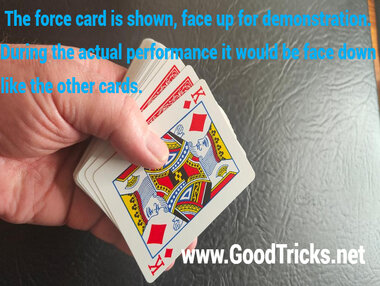
Prepare Six Cards
Place the card you want to force on top of the face-down deck.
Remove the top card and five additional cards.
Keep track of the force card throughout the display.
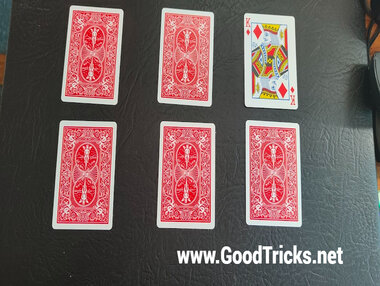
Display Two Rows
Arrange the six cards face down in two rows of three.
For this example, imagine the force card is the third card in the top row.
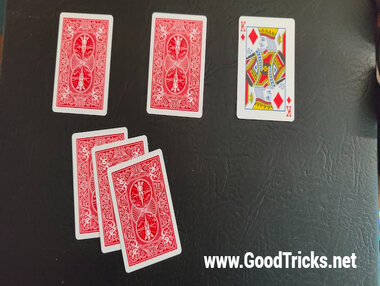
Keep the Correct Row
Ask the spectator to select a row.
If they choose the row containing the force card, say, “We’ll keep this row.”
If they choose the other row, say, “We’ll remove this row.”
Either response leaves the force card in play.

Narrow the Choice
Ask the spectator to indicate two of the remaining three cards.
Interpret the choice in whichever way leaves the force card.
Continue until only the force card remains.
Force 3 — Stop Force
The Stop Force looks very fair because the spectator calls stop while the cards are being riffled.
Position the Force Card
Cut the deck and place the force card on top of the lower packet.
Replace the upper packet while keeping control of the position.
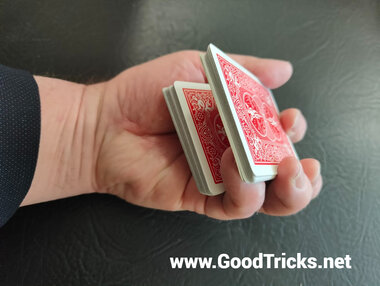
Hold a Little-Finger Break
Keep a small break directly above the force card using the tip of your little finger.
The break should be invisible from the front.

Riffle the Deck
Riffle the outer edge and ask the spectator to call stop.
Keep the pace smooth and consistent.
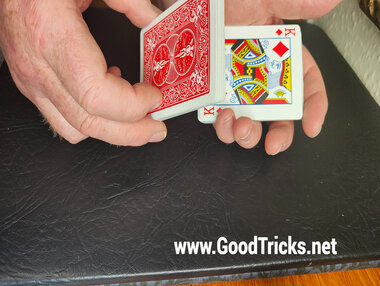
Open at the Break
When the spectator calls stop, separate the deck at the little-finger break.
The force card will be ready at the selection point.
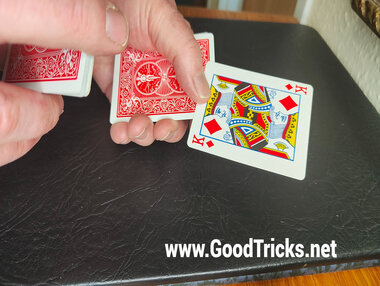
Complete the Selection
Offer the force card naturally and allow the spectator to remove or remember it.
Which Force Should You Use?
Riffle Force
Best for quick, direct card selections with a full deck.
Elimination Force
Best for beginners and prediction-style routines.
Stop Force
Best when you want the spectator to control the timing.
Common Mistakes
Do not change your wording after the spectator makes a choice. Use consistent language so the elimination process feels fair.
Avoid gripping the deck too tightly when holding a break.
Do not stare at the force card or selection point.
Practise the force inside a complete trick rather than as an isolated move.
Practice Plan
Begin with the Elimination Force because it requires the least technical handling.
Next practise holding a little-finger break without flashing it.
Add the Riffle Force and Stop Force once the break feels natural.
Finally, perform each force for a friend and ask whether the selection felt free.